
Context and goal:
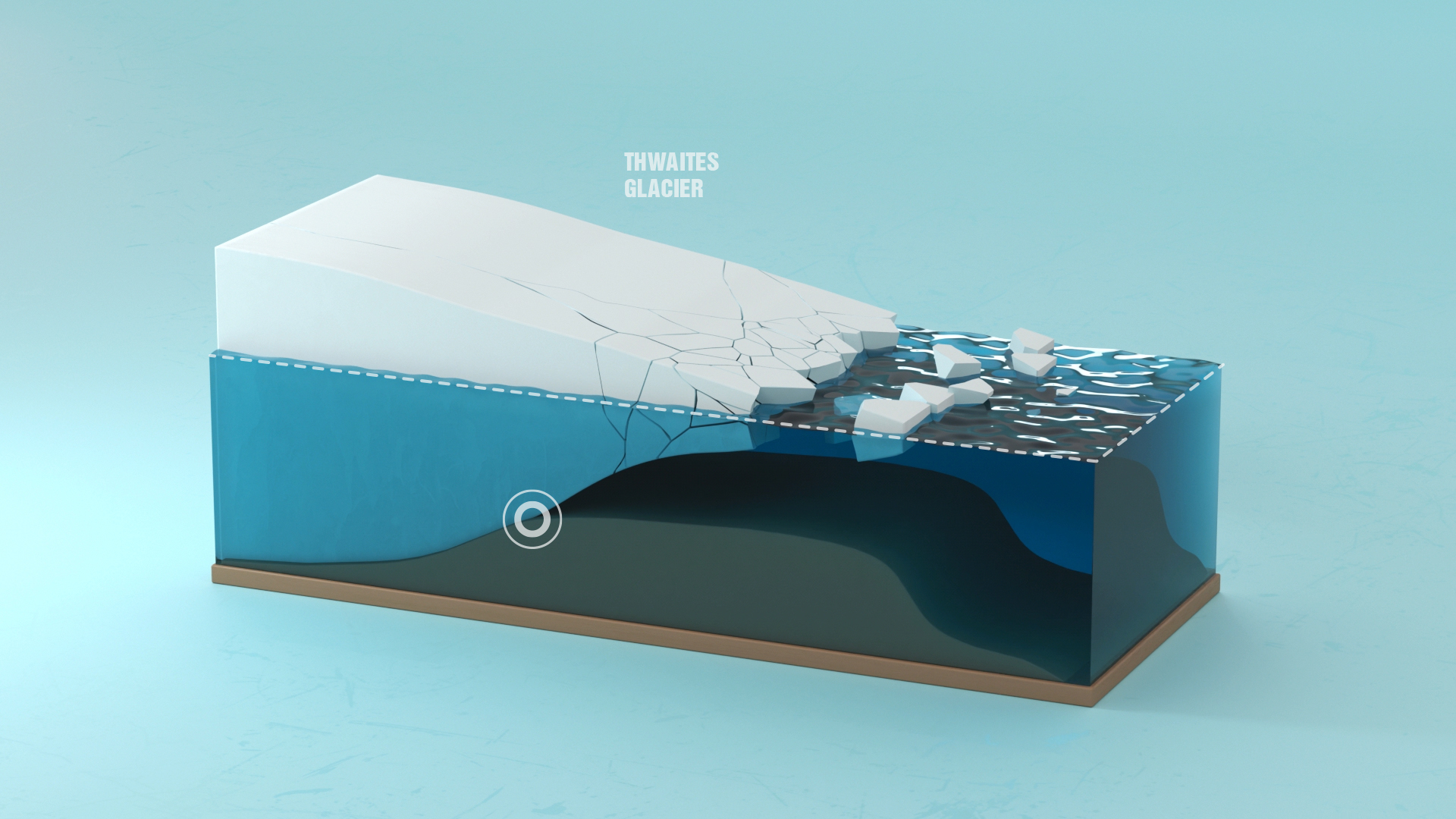
In early 2020, just before the global pandemic, the studio run by Sinese was commissioned by Vox Media to develop a 3D visual experience for an audience of 8.4 million subscribers. The goal was to explain the rapid collapse of the Thwaites Glacier (a massive Antarctic ice sheet critical to the global ecosystem).
1__Discover (The Challenge).
The User Problem.
While climate change is a global concern, mechanics like “grounding lines” or “bedrock slopes” are difficult for a general audience to visualize through text or 2D diagrams alone.

1__Discover (The Challenge).
The Product Goal.
To bridge the “Complexity Gap” by designing a tangible, 3D mental model that allows users to intuitively grasp the scale and physics of the Thwaites glacier’s retreat.
2__Define (Stakeholder Collaboration).
Description.
This phase focused on synthesizing scientific data into actionable design requirements. Every visual choice was validated by subject matter experts, including scientists and investigative reporters to ensure Scientific Data Integrity.
2__Define (Stakeholder Collaboration).
Identifying the “Grounding Line”.
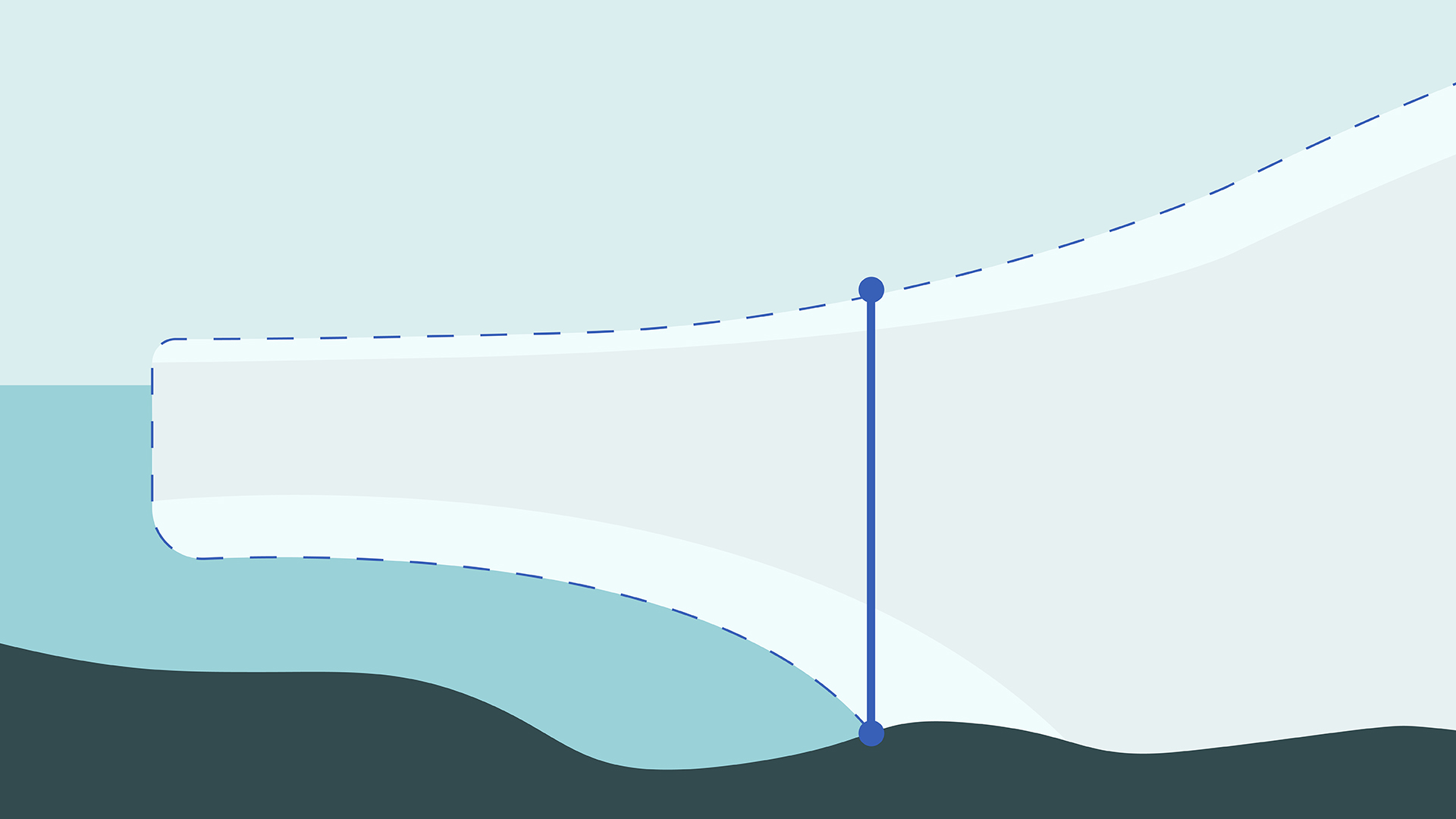
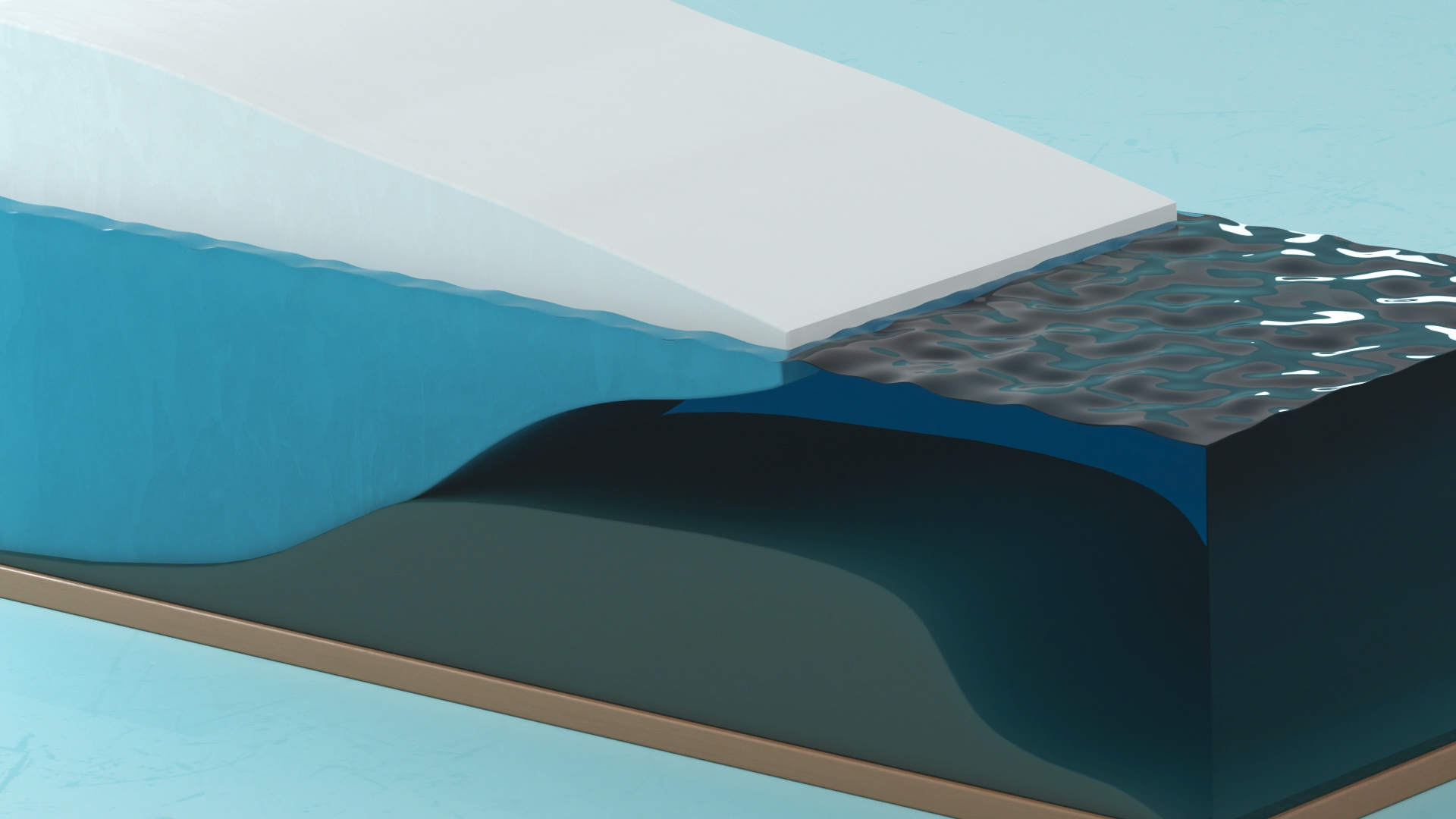
Through research, it was identified that the line that starts at the top of the layer surrounding the glacier, and ends at the point where the ice meets the rock (the “Grounding Line”) was the most critical concept and, at the same time, the most difficult for the audience to visualize.
2__Define (Stakeholder Collaboration).
Visual Style Pivot.
The design moved away from the studio’s standard aesthetic to create a bespoke, high-contrast visual language that prioritized information over decoration.
3__Develop (Iterative Design & Testing).
Description.
The development phase was defined by rigorous feedback loops and Usability Testing with Subject Matter Experts (SMEs) to address specific scientific and clarity requirements regarding information architecture and cognitive load.
3__Develop (Iterative Design & Testing).
Simplifying Scale (Iteration 1).
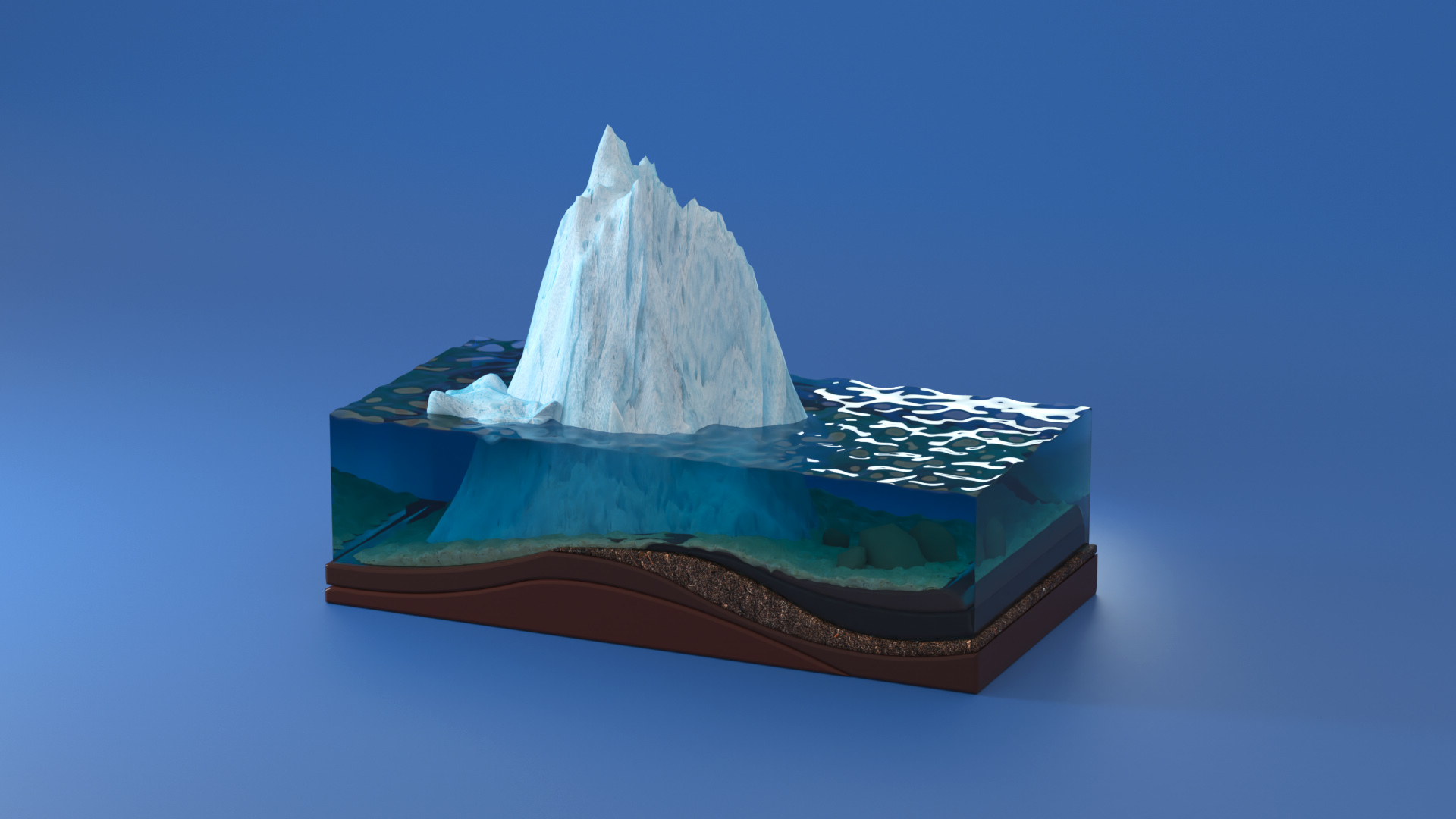
Early versions included rocks and sand. Feedback revealed these “noisy” details made the glacier look small. These were removed to help the user perceive the true, massive scale of the ice block.
3__Develop (Iterative Design & Testing).
Correcting the Mental Model (Iteration 2).
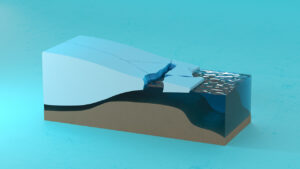
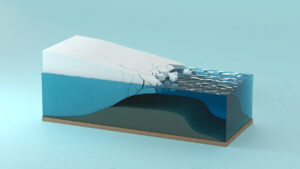
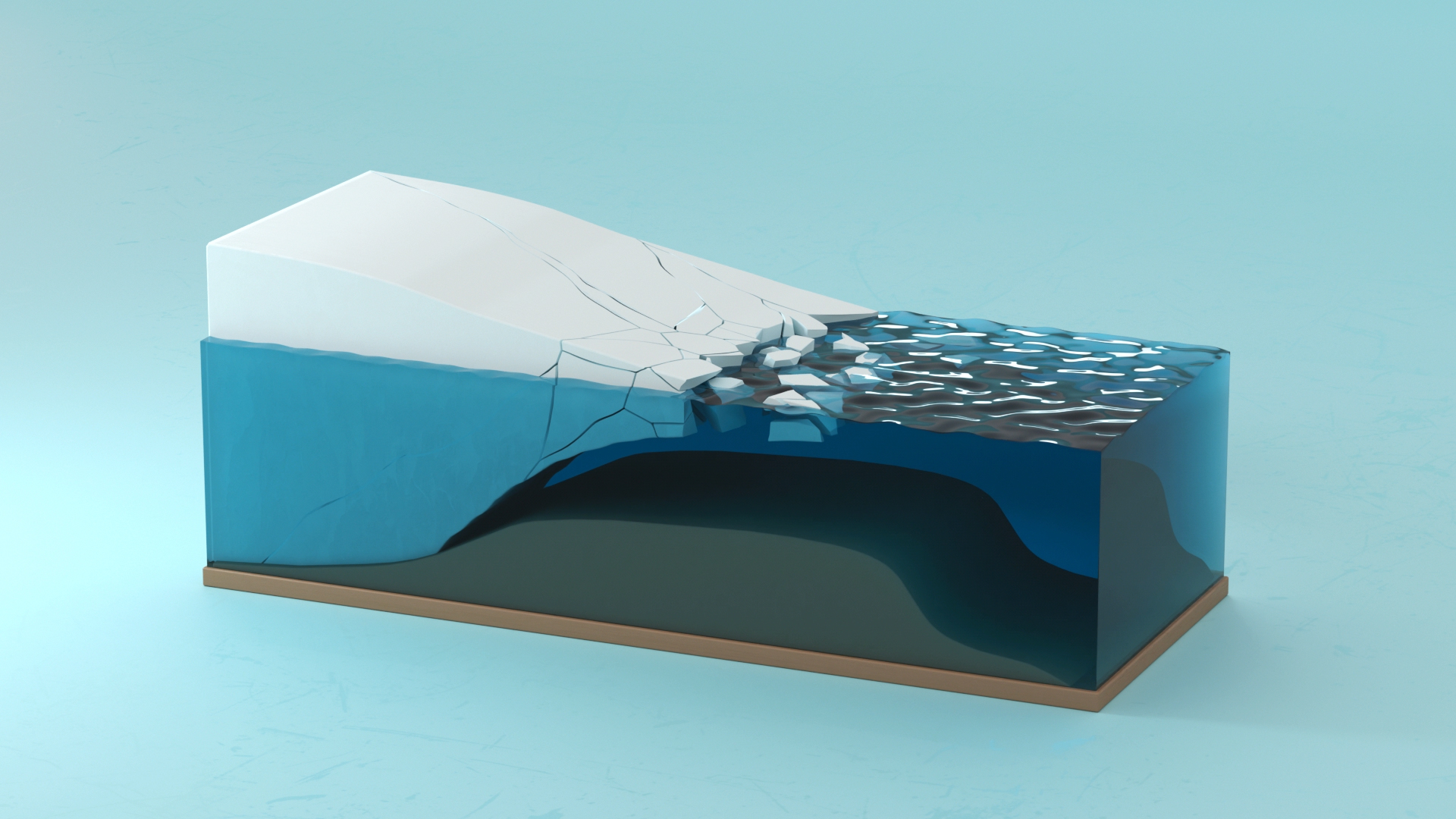
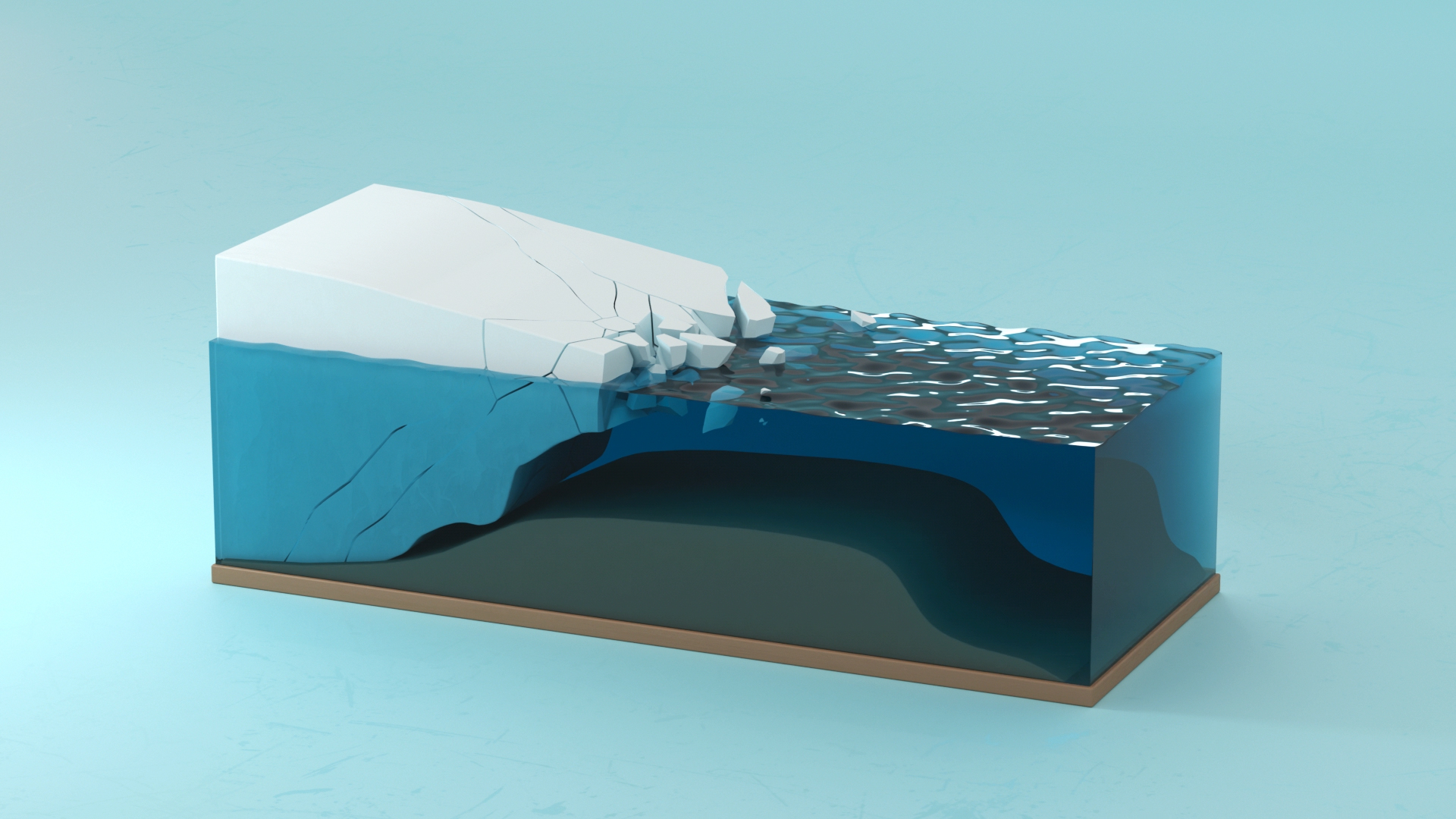
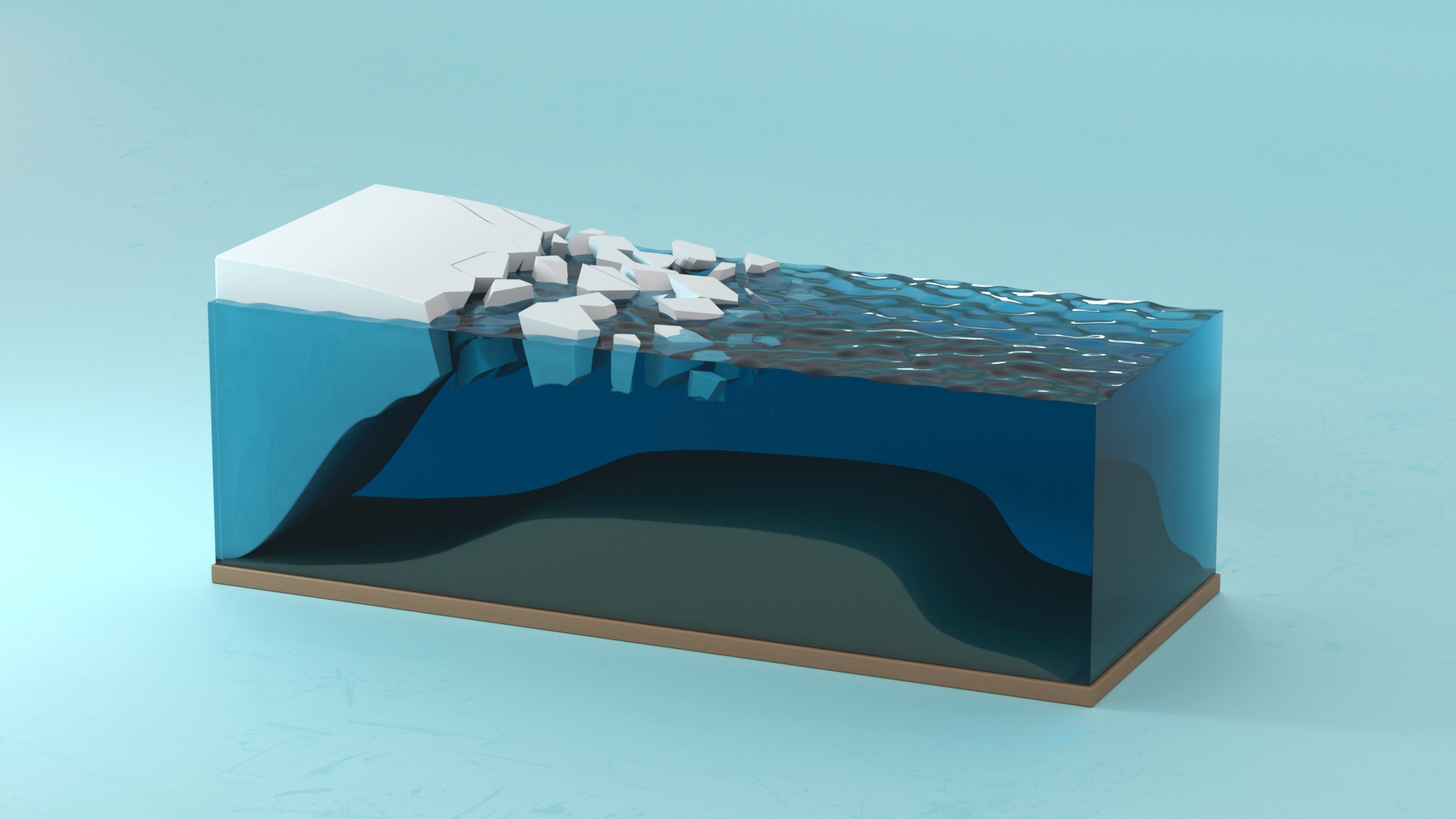
Initial animations showed ice simply “dropping off.” Based on expert feedback, the animation was pivoted to show the ice shelf “thinning” to accurately reflect the physical behavior described by glaciologists.

3__Develop (Iterative Design & Testing).
Refining Physical Accuracy (Iteration 3).
The interaction between the glacier and the bedrock was further refined to show the ice “sliding” down the slope. This iteration ensured there was no gap between the glacier and land, correctly representing grounding line mechanics.
3__Develop (Iterative Design & Testing).
Synchronizing the Narrative (Iteration 4 & 5).
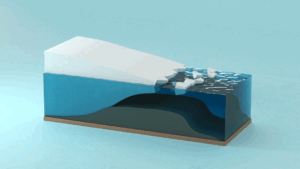
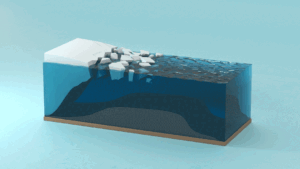
The timing of the “Glacier Collapse” and “Rewind” sequences was adjusted to perfectly align with the voiceover, ensuring the user’s visual and auditory experiences were in total sync.
4__Deliver (Final Solution).
User Realization.
By utilizing a 3D cross-section, the audience could finally witness the “downhill slope” of the bedrock (the core engine of the glacier’s instability).
4__Deliver (Final Solution).
The Solution.
The final deliverable was a comprehensive 3D visual system that transformed invisible geological threats into a tangible, educational narrative. Watch it below!
Impact.
Quantifiable Success.
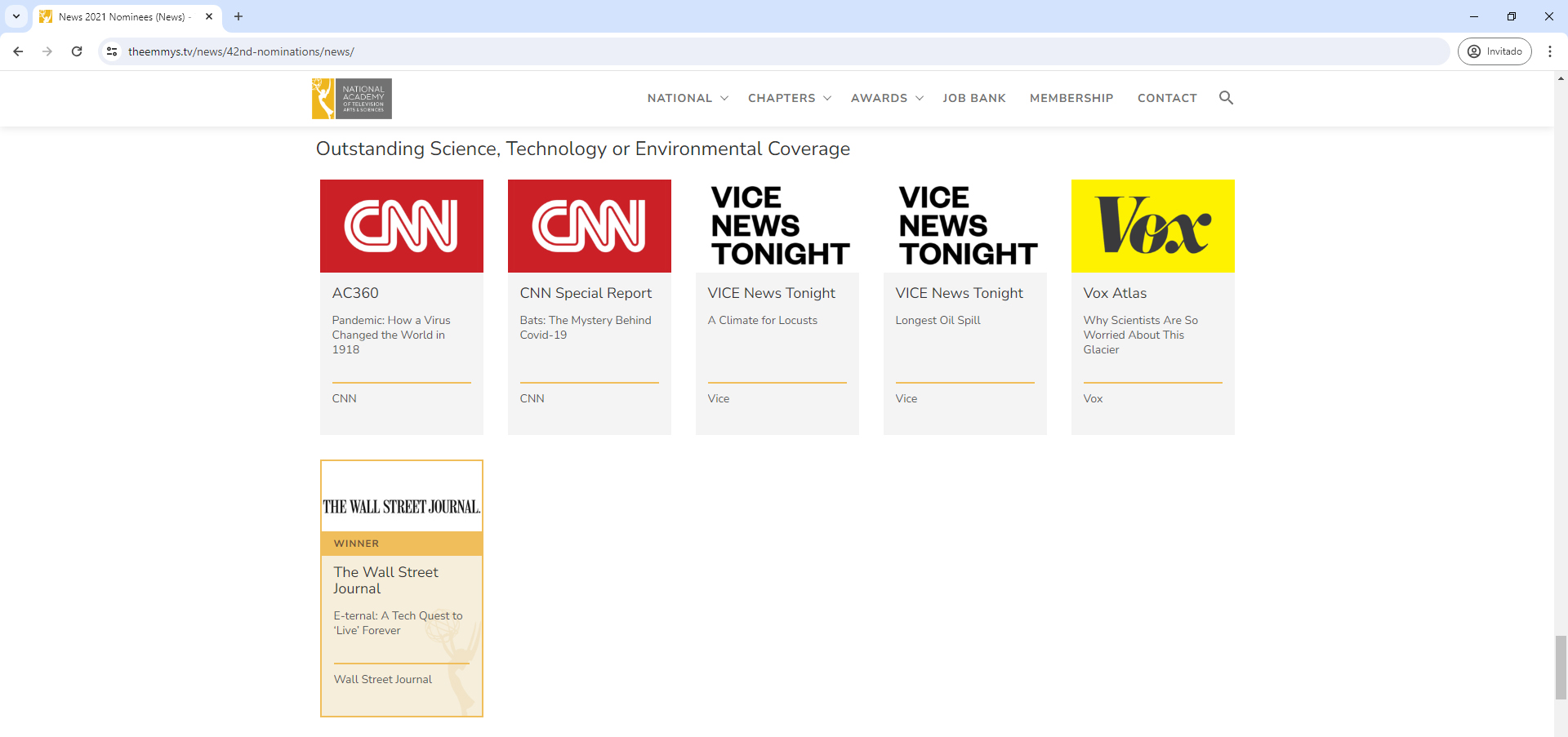
The full production reached 6 million views and received a 2021 Emmy Nomination for outstanding science coverage.
Watch the full Emmy-nominated production on Vox’s YouTube Channel.
Key Lessons for Product Design.
A. Trusting the Double Diamond Process.
Success was rooted in following a structured methodology. By separating the Discovery of the problem (identifying the “Grounding Line” as the friction point) from the Development of the solution (3D modeling), the project remained focused on user comprehension rather than just aesthetic production.
Key Lessons for Product Design.
B. Empathy for the Learner.
Complexity is not a user failure, it is a design challenge. Simplifying the “Grounding Line” from an abstract concept into a tangible 3D mental model allowed a broader audience to engage with climate science without the barrier of technical jargon.
Key Lessons for Product Design.
C. Cross-Functional Synthesis.
Product outcomes depend on the ability to translate technical requirements from Subject Matter Experts (SMEs) into user-facing solutions. The role of Sinese here was to act as a bridge between scientific data and narrative engagement.